
Autoethno(choreo)grapher
From street dance theater productions to participatory contemporary art installations and narrative films, I approach dance not just as a movement practice, but as an embodied archive of community-specific values, structures, belief systems, kinship patterns, and sacred practices; and as a site where social knowledge and intergenerational memory is created, shared, and preserved, especially within communities historically excluded from academic canons.
I bring a unique combination of field-based experience and formal study to all of my work. I have been presented by universities, international festivals, and underground street dance communities around the world. My work has been supported by the Gerbode Foundation, Mid Atlantic Arts, Phyllis C. Wattis Foundation, Yerba Buena Center for the Arts, Kenneth Rainin Foundation, Dancers Group, and Zellerbach Family Foundation.
Mẹ Love You Long Time (2020)
An exploration of the work ethic and machine-like endurance of Vietnamese mothers—postwar qualities forged in the bardo of displacement, through the relentless pursuit of “becoming enough” to belong. Using repetitive mechanical movement, the improvisation investigates how rage and physical exhaustion intertwine, and how the survival strategy of “hard work” can be an intergenerational inheritance.
Credits:
Director/Performer: My-Linh T. Le
Assistant camera: Jardy Santiago
Sound Design and Composer: Barmey Ung
My mother, sister, and grandmother were fleeing their war-torn home on a small fishing boat that began sinking at sea, when a whale rose from beneath, carrying them for three days to land.
This myth-like account of my mother’s often stirs a deep yearning within me. To be of the Vietnamese diaspora is to be adrift—dislocated from a blown apart self, floating in a purgatory between other more legible identities and cultures that I can never make a home in. It is this loss and disconnection that permeates and propels my artistic pursuits. As the first in my family born in the U.S., and as a dancer whose passions are primarily rooted in Black American dance forms including jazz, boogaloo, popping, turfing, and hip hop, my creative processes consistently begin with being in community, honoring cultural legacy, and probing the depths of the fundamental need to belong.
I began dancing as a teen in the mid-2000s in community recreation centers of Eastside San Jose, California, often as the only girl popper in rooms full of B-boys.
Raised in a conservative immigrant household, my dance journey began as and remained a secret from my family, even after I became a licensed attorney. By 2014, I became the first woman recruited into San Jose’s legacy popping and strutting crew, Playboyz Inc — since its formation in 1981, making it one of the oldest active street dance crews on the West Coast. When I traded in my legal career for an MFA in dance, my intent was to bring with me the values and practices of the communities that shaped me, into the scholarly spaces of dance studies, and to challenge the exclusivity around whose practices and histories are deemed worthy of institutional respect.
In academic and curatorial art spaces, Eurocentric ideals still determine what counts as “modern dance” or “contemporary art,” revealing how deeply epistemic racism continues to shape these fields.
My mission as the founding director of Mud Water Theatre was to disrupt these insidious narratives and frameworks that treat street dance as mere spectacles for entertainment, or worse, as criminal acts of “nuisance.” My work through Mud Water proves turfing not only as a technically complex dance/art form, but also a repository of collective histories and knowledge, and a powerful conduit for intergenerational healing, restoration, and liberation—belonging just as much in the theater and gallery space, as in the streets of the Bay Area.
Instead of following traditional (and often colonialist) research models—where outside researchers enter a community, extract knowledge, and leave to publish for personal gain—I use autoethnographic methods that center the community itself. My approach empowers dancers to deepen both their personal understanding and their community’s shared knowledge, to validate their lived experiences and histories, and to affirm their roles as essential members of their cultural ecosystem.
Through a blend of performance, installation, new media, community engagement, my aim is to offer accessible frameworks for inquiry, bridge marginalized perspectives, and foster collective healing and holistic wellbeing.


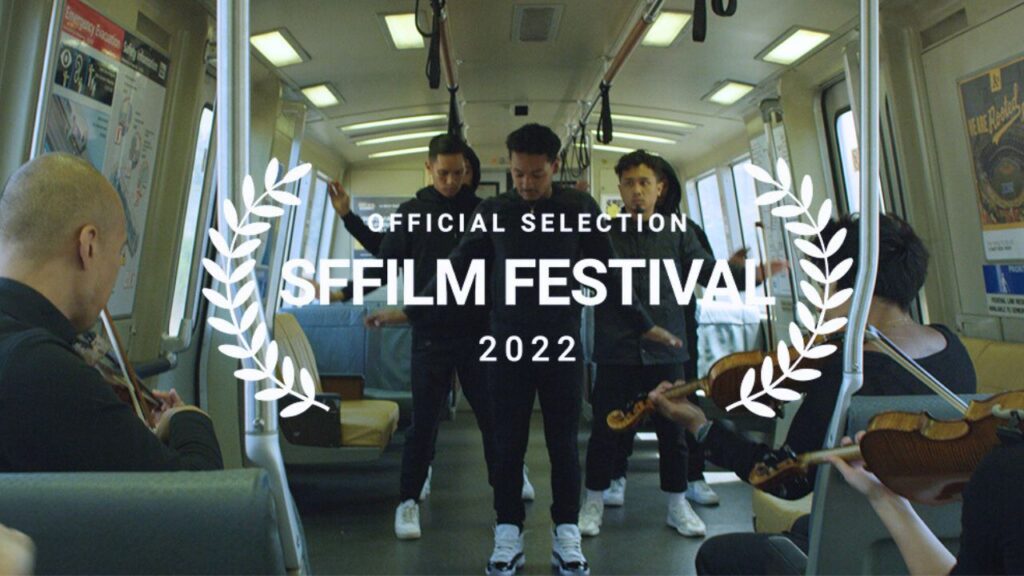
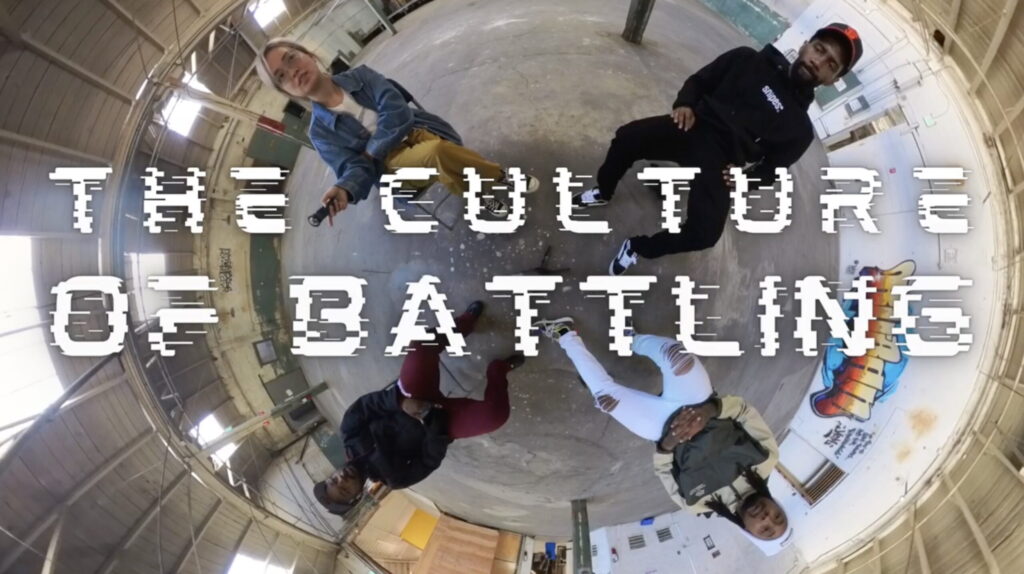
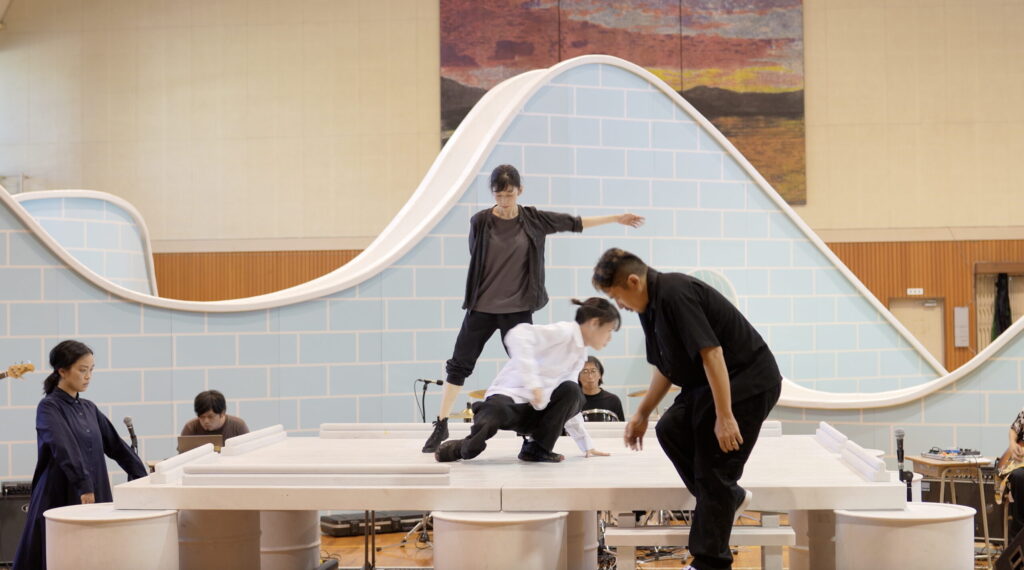
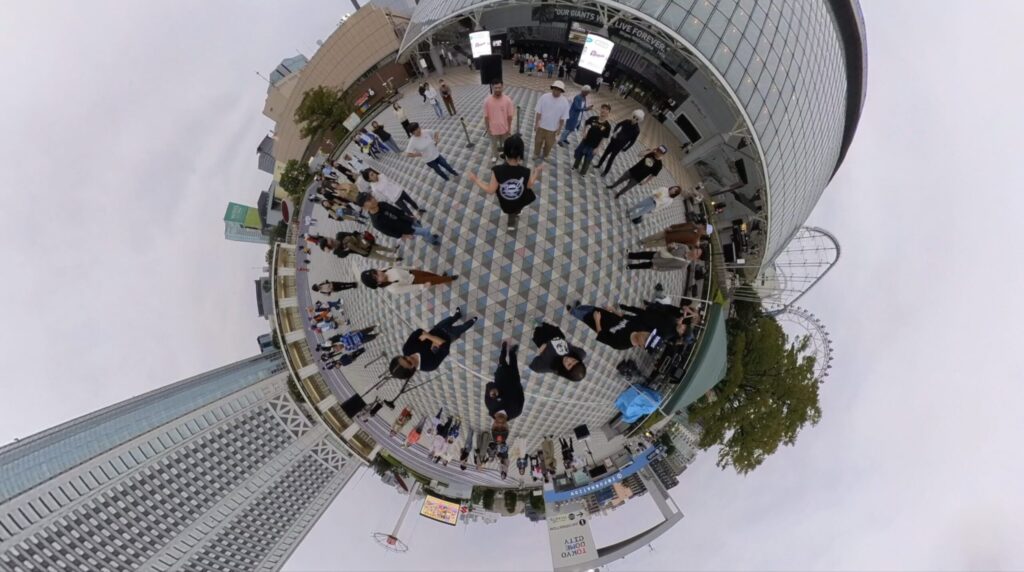
Moving between the hypermasculinity of street dance and the elitist eurocentrism of dance studies has sharpened my ability to listen deeply, engage in nuanced dialogue, and advocate for marginalized dance forms and their communities.
I’m an award-winning multidisciplinary dance theater choreographer and director, filmmaker, and educator with over a decade of teaching experience across universities, international festivals, and grassroots community programs.
In my teaching, movement is inseparable from the people who practice it, the communities it comes from, and the social, political, cultural conditions under which it evolved. My goal is for students to see themselves as participants in a living continuum of collective memory, shared meaning, and embodied experience; and to understand dance as emerging from real, racialized, community-based bodies that carry specific histories of exclusion, survival, and innovation.
My classes are interactive and multidirectional, incorporating many modes of learning so that students can engage with the material physically, intellectually, socially, emotionally and spiritually. Students are encouraged to bring their own experiences and cultural references into the room, making the learning process reciprocal. For me, the purpose of dance is less about perfecting technique or intellectualizing movement, and more about a broader process of self-discovery: cultivating awareness, presence, and meaning through embodied practice, while fostering deep connection to the self, to others, and to something larger than either.
While working on my MFA as an Instructor of Record at Arizona State University, I taught dance courses for both majors and non-majors that integrated technique, history, culture, and creative exploration. I was later invited by Rennie Harris to teach at his winter intensive at the University of Colorado, Boulder. Beyond academia, I have taught at Jack of All Trades (J.O.A.T.), an international street dance festival in Montreal, Quebec, and served as one of three judges for its popping competition—one of the largest and most prominent in the Americas. Most recently, I led a month-long workshop series at Movement Arts Research (MAR) studio in Ho Chi Minh City as their inaugural Artist in Residence.
In the years since completing my MFA, I have focused more on developing public-facing pedagogy, experimenting with more accessible, community and culture-centered formats rather than remaining solely within university teaching. This shift allowed me to explore how dance education can reach broader audiences while preserving depth and rigor. My projects during this time include co-authoring a year-long online house dance program with Jardy Santiago, one of the most recognized educators in the form, and creating Endangered Perspectives, a docu/podcast series that archives conversations with dance elders about foundational aspects of street and club dance that have been diluted or erased through competition culture, social media, and commercialization.
These experiences have deepened my ability to adapt my teaching across cultural and educational contexts while maintaining depth, honoring origins, and keeping community at the heart of my work.